
Kinesio Taping in Cambridge
 When pain or swelling makes it hard to stay active between appointments, kinesio taping may offer some added support after you leave the clinic. Applied by a trained physiotherapist at Helios Physiotherapy and Rehab, this flexible tape may help you move more comfortably as you recover.
Flexible Support That Moves With You
Kinesio tape is a thin, elastic fabric designed to stretch with your body. When applied with a specific amount of tension, the tape is thought to provide sensory feedback through the skin. This may help with awareness of joint position and, for some people, short-term discomfort.
Depending on how it’s applied, taping may also assist with swelling management, offer additional muscle support, or provide some stability without significantly restricting movement.
Your physiotherapist chooses the stretch, direction, and pattern based on your anatomy and goals. That individual assessment is what makes professional application different from following an online tutorial with a roll of tape.
From Sports Strains to Pregnancy Discomfort
Depending on your assessment, kinesio taping may be considered alongside physiotherapy for concerns such as:
- Ankle sprains, calf strains, and shin splints
- Kneecap (patellofemoral) pain
- Rotator cuff tendinitis and shoulder strain
- Swelling after surgery or injury
- Pregnancy-related pelvic girdle pain and low back pain
- Abdominal wall strain, including diastasis recti
- Postural discomfort
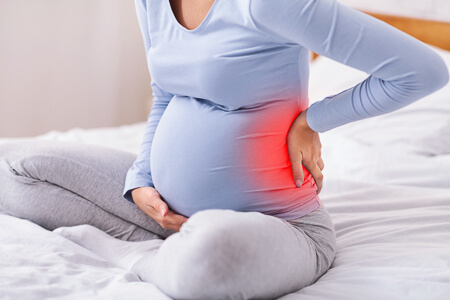
During the second and third trimesters, particularly from around 18 to 20 weeks onward, some pregnant clients may find taping helpful as their belly grows and their centre of gravity changes. A belly cradle or pelvic support application may offer additional support without placing significant pressure on the abdomen.
A Careful Assessment Before Any Tape Goes On
We also check your skin for irritation, open wounds, or other concerns that could make taping unsuitable. Once the area is clean and dry, your physiotherapist applies the tape using the direction and tension suited to your presentation. We also check that your circulation isn’t affected.
To remove the tape:
- Soften the adhesive with warm, soapy water or oil.
- Peel slowly in the direction of hair growth.
- Moisturise the skin afterward.
Support Between Physiotherapy Visits
Kinesio taping isn’t a stand-alone treatment. It’s used alongside hands-on therapy and targeted exercises when appropriate. Some clients find that taping helps with short-term discomfort, provides additional support during movement, or makes them feel less hesitant to move an injured joint or muscle. Its benefits vary depending on the person and the reason for applying it.
It may be worth considering in situations such as:
- Before a game, when returning to activity is appropriate
- When you’re travelling and will miss a visit
- When you need extra support with daily tasks during pregnancy
Stay Active While Your Body Recovers
If a sore shoulder, an ankle sprain, or pregnancy-related discomfort is making everyday activities more difficult, kinesio taping may be worth discussing with your physiotherapist.
Contact Helios Physiotherapy and Rehab to find out whether it could be included in your care plan.
